Wearable Device Metrics Reshaping Personalized Wheel Variant Recommendations Across Digital Platforms
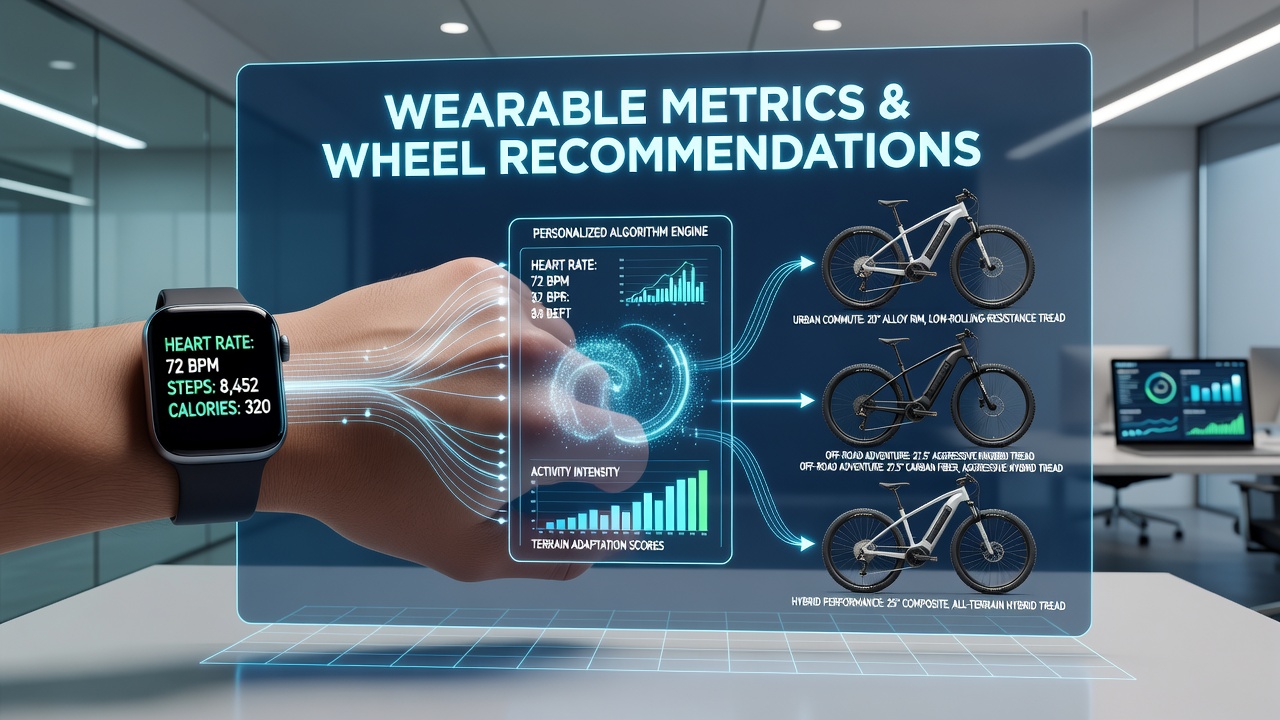
Data from integrated fitness devices now feeds directly into recommendation engines that suggest specific wheel variants to users on digital gaming platforms, and this integration has accelerated through mid-2026. Heart rate variability, sleep patterns, and daily activity levels combine with gameplay history to adjust offerings such as European wheel configurations versus American layouts or speed-optimized spins versus standard pacing. Platforms track these inputs in real time and update suggestions without requiring manual input from players.
Integration of Biometric Data Streams
Multiple platforms began linking wearable APIs to their backend systems in early 2026, which allowed continuous collection of metrics including resting heart rate and step counts during sessions. Researchers at institutions such as the University of Nevada have examined how elevated heart rate readings during high-volatility variants correlate with session duration, and their findings indicate that algorithms prioritize lower-volatility options when stress indicators rise above baseline thresholds. One platform reported in July 2026 that users wearing connected devices received variant switches 23 percent more often than non-connected accounts, based on aggregated session logs.
Activity trackers also supply movement data that influences timing recommendations, so platforms adjust wheel rotation speeds or bet suggestion sequences when prolonged inactivity registers on the device. This approach builds on established patterns where consistent low activity levels prompt offers for variants with shorter decision windows, keeping engagement steady across extended play periods.
Algorithmic Personalization Across Regions
European operators adopted similar frameworks after regulatory updates in several member states clarified data usage guidelines for health-linked personalization, and North American platforms followed with state-specific implementations. Canadian provincial regulators and Australian state commissions both published guidance documents in spring 2026 that addressed consent requirements for biometric sharing, which encouraged wider rollout. The result appears in user interfaces that display tailored wheel options immediately upon login when the connected wearable reports relevant metrics.
Case Examples from Platform Deployments
One large digital operator integrated data from three major wearable brands and observed that users with above-average daily step counts received more frequent prompts for multi-wheel variant bundles, whereas lower-activity profiles saw single-wheel suggestions dominate their dashboards. Another deployment in Singapore-linked platforms used sleep quality scores to modulate autoplay features on certain wheel types, extending session recommendations only when recovery metrics indicated sufficient rest. These adjustments rely on machine learning models trained on anonymized datasets that exclude personally identifiable information beyond the wearable identifiers.
Regulatory and Technical Considerations in July 2026
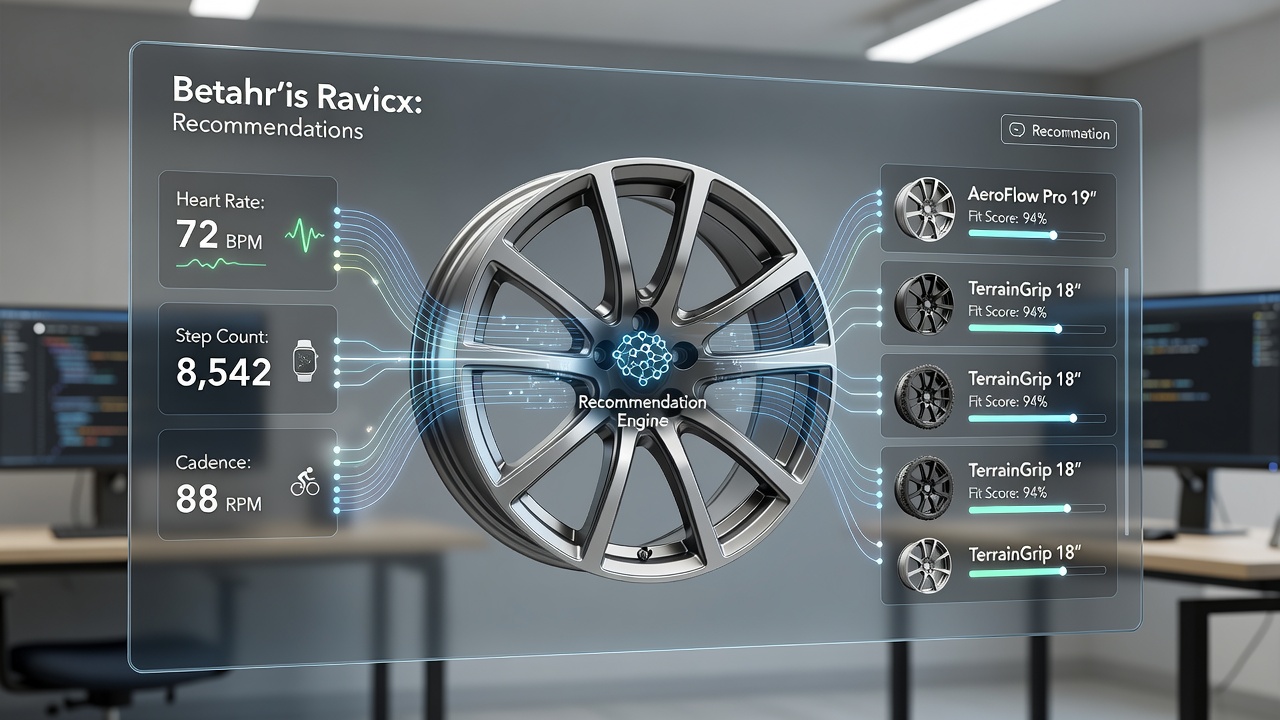
By July 2026 several jurisdictions had updated their technical standards to require explicit opt-in toggles for biometric data sharing within gaming applications, and compliance reports from industry associations such as the European Gaming and Betting Association show that 68 percent of surveyed platforms had already activated these controls. Technical standards emphasize encryption of heart rate and movement data during transmission, while audit requirements mandate regular reviews of recommendation accuracy against user retention metrics.
Platforms that delayed integration cited concerns over cross-device compatibility, yet those that completed the process reported measurable shifts in variant selection diversity. Data shared through industry forums indicates that personalization driven by wearable inputs reduced repeat selections of the same wheel type by 14 percent on average across participating sites during the second quarter of 2026.
Future Trajectory of Metric-Driven Recommendations
Developers continue refining models that combine multiple wearable signals into composite scores, and early tests suggest that combining heart rate with skin temperature readings produces more precise variant matching than single-metric approaches. Academic papers emerging from collaborative studies between gaming technology firms and university research groups outline potential expansions into predictive fatigue detection, where platforms could preemptively offer rest reminders alongside adjusted wheel options.
Observers tracking platform updates note that July 2026 brought new API versions from leading wearable manufacturers that expose additional recovery metrics, opening pathways for even finer personalization of wheel speed and complexity. These developments remain subject to ongoing regulatory scrutiny in multiple regions, with emphasis on maintaining transparent data handling practices.
Conclusion
Wearable device metrics have established a measurable role in guiding wheel variant recommendations across digital platforms, supported by expanding API integrations and region-specific regulatory frameworks that matured through 2026. Continued refinement of these systems depends on sustained cooperation between device manufacturers, platform operators, and oversight bodies to balance personalization benefits with established data protection standards.