Tracing Regulatory Impacts on Number Distribution Algorithms in Cross-Border Digital Wheel Platforms
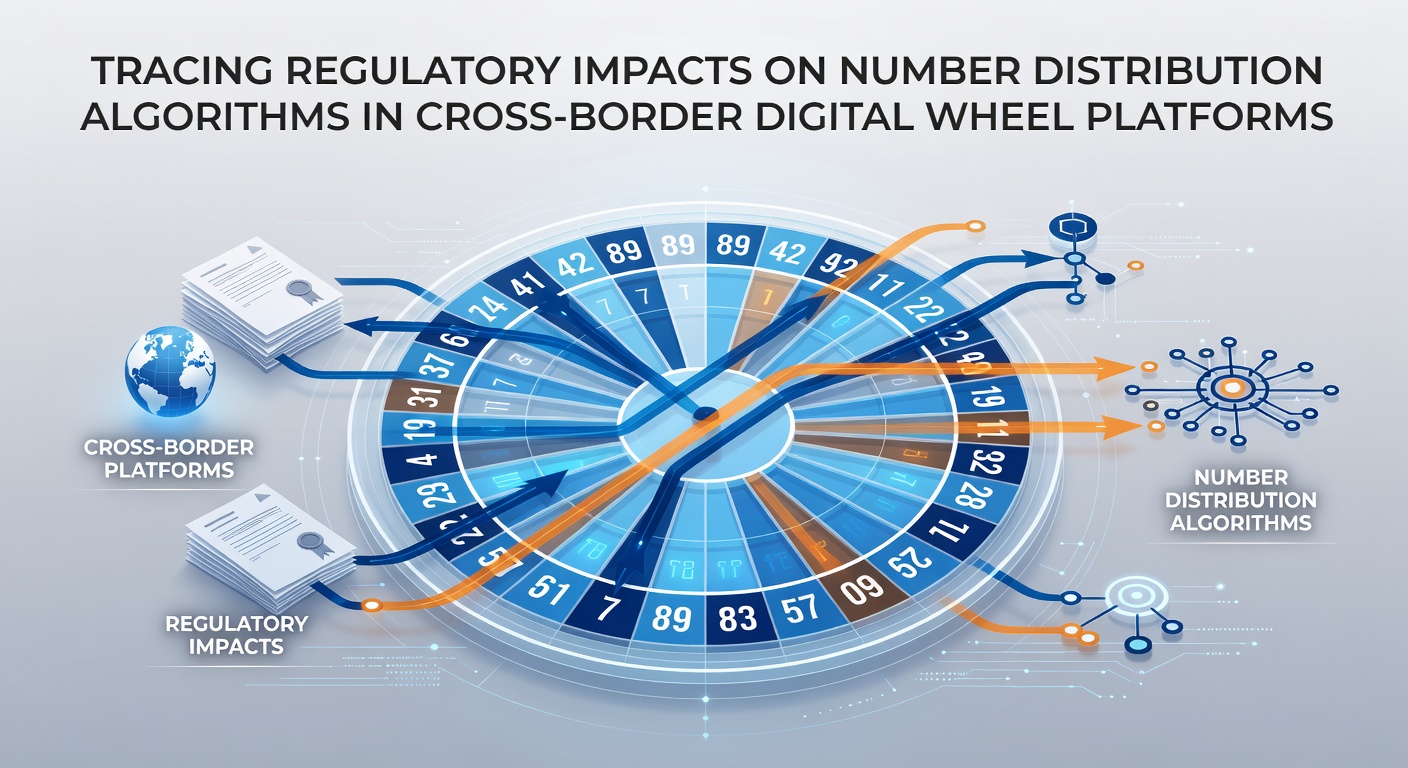
Digital wheel platforms operate across multiple jurisdictions where number distribution algorithms determine game outcomes in real time, and regulatory bodies continue to adjust requirements that directly influence how these systems generate and verify sequences. Platforms must adapt their random number generators to satisfy varying standards for fairness testing, data localization, and audit frequency while maintaining consistent performance for users in different regions.
Core Mechanics of Number Distribution Algorithms
Number distribution algorithms rely on cryptographic random number generators that produce sequences for wheel-based games, and developers integrate entropy sources such as hardware modules or quantum-based systems to meet unpredictability criteria. These algorithms undergo continuous seeding processes combined with post-processing techniques that eliminate bias, yet each jurisdiction imposes specific mathematical thresholds for statistical randomness that operators must demonstrate through third-party certification.
Cross-border operations introduce additional layers because algorithms approved in one market often require re-validation when deployed elsewhere, and companies maintain separate compliance modules that adjust distribution parameters without altering core game logic. Data shows that platforms handling traffic from both European and North American users frequently deploy geo-fenced algorithm variants to align with local certification protocols.
Regulatory Variations Across Key Markets
Authorities in different regions apply distinct approaches to oversight of these algorithms, and observers note that Malta's framework emphasizes periodic source code reviews alongside live environment testing whereas Canadian provincial regulators focus on real-time monitoring dashboards that track distribution patterns. Australian state commissions require operators to submit quarterly entropy reports that detail any deviations in sequence uniformity over extended periods.
Research indicates that these differences create operational friction for platforms serving international audiences, and companies respond by building modular compliance layers that allow selective activation of jurisdiction-specific rules. In May 2026 several operators reported completing synchronized updates across their European and Asian server clusters following new technical guidelines issued by the respective gaming authorities.
Technical Adjustments Driven by Compliance Needs
Platforms implement changes such as increased hash chain lengths or enhanced whitening functions when regulators tighten requirements for collision resistance, and these modifications affect processing latency yet preserve the statistical integrity demanded by certification labs. Engineers often insert additional verification steps that log distribution metrics at multiple intervals during each game round, creating audit trails that satisfy cross-border data retention mandates.
One study revealed that operators who adopted unified logging standards reduced their re-certification timelines by integrating automated reporting tools directly into the algorithm architecture, and this approach allows simultaneous submission of evidence to multiple regulators without duplicating testing efforts.
Challenges in Maintaining Consistency Across Borders
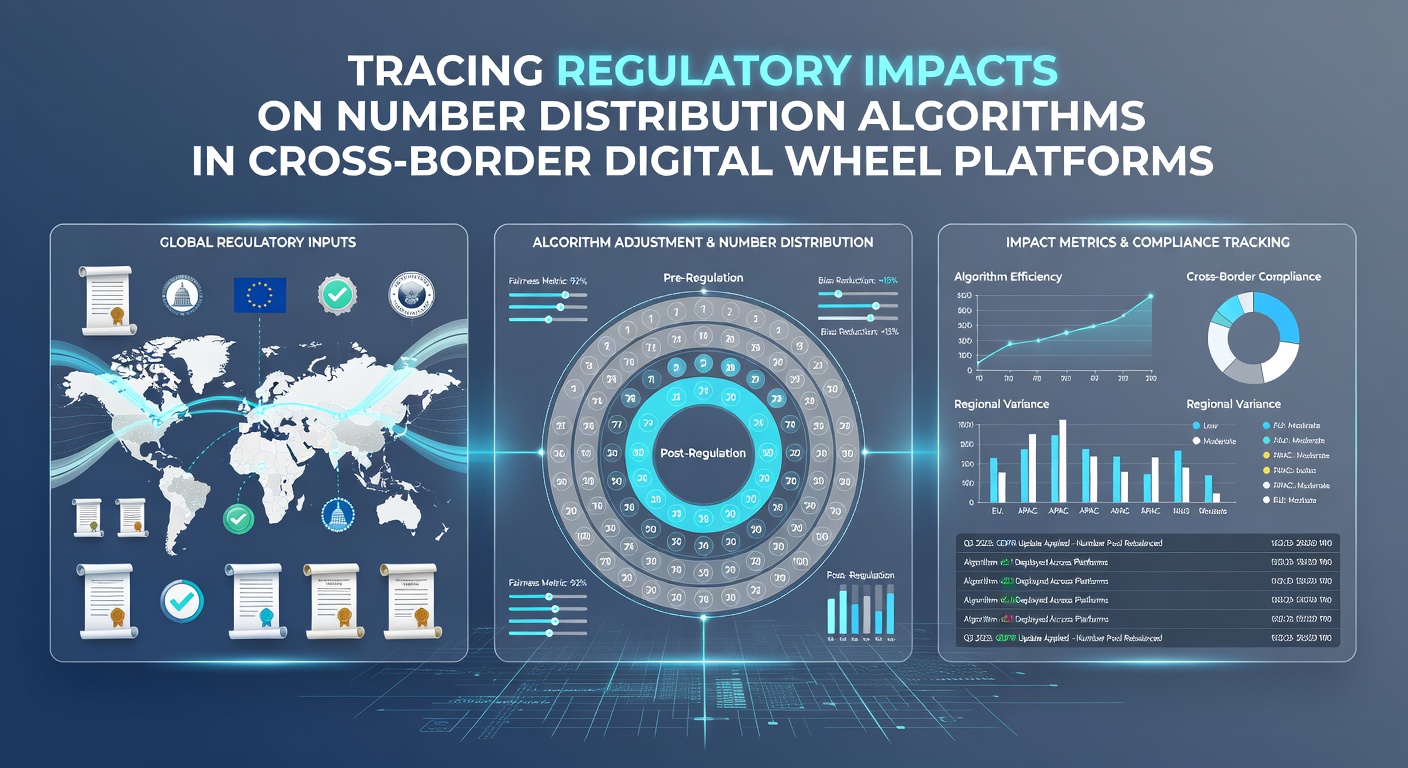
Latency introduced by geo-specific processing rules can create perceptible differences in spin resolution times, and developers counteract this by optimizing cache layers that pre-compute non-sensitive distribution segments. Yet synchronization between primary and secondary data centers remains critical because any mismatch in seed values triggers mandatory investigations under most regulatory schemes.
Figures reveal that platforms experienced increased certification costs during the first quarter of 2026 as regulators expanded the scope of required statistical tests to include edge-case sequence analysis, and those who've studied these patterns observe that smaller operators sometimes consolidate their algorithm infrastructure to share compliance resources more efficiently.
Industry Responses and Technical Standards
Trade associations have published recommended frameworks that encourage adoption of open-source verification tools, and several working groups now coordinate with academic institutions to develop standardized benchmarks for cross-jurisdictional algorithm performance. These initiatives help reduce duplication while ensuring that number distribution remains verifiably random regardless of user location.
According to reports from iGaming Ontario, platforms that implemented their updated technical standards ahead of the May 2026 deadline encountered fewer delays during renewal processes, and data from the same period shows similar trends among operators aligned with Australian regulatory expectations.
Conclusion
Regulatory impacts continue to shape how number distribution algorithms function within cross-border digital wheel platforms, and the interplay between technical requirements and jurisdictional rules drives ongoing refinements in architecture and monitoring practices. Companies that maintain flexible yet rigorously documented systems position themselves to navigate evolving standards effectively while delivering consistent game experiences across markets.