The Unexpected Ways Touchscreen Gestures Influence Betting Sequences in Portable Wheel Games
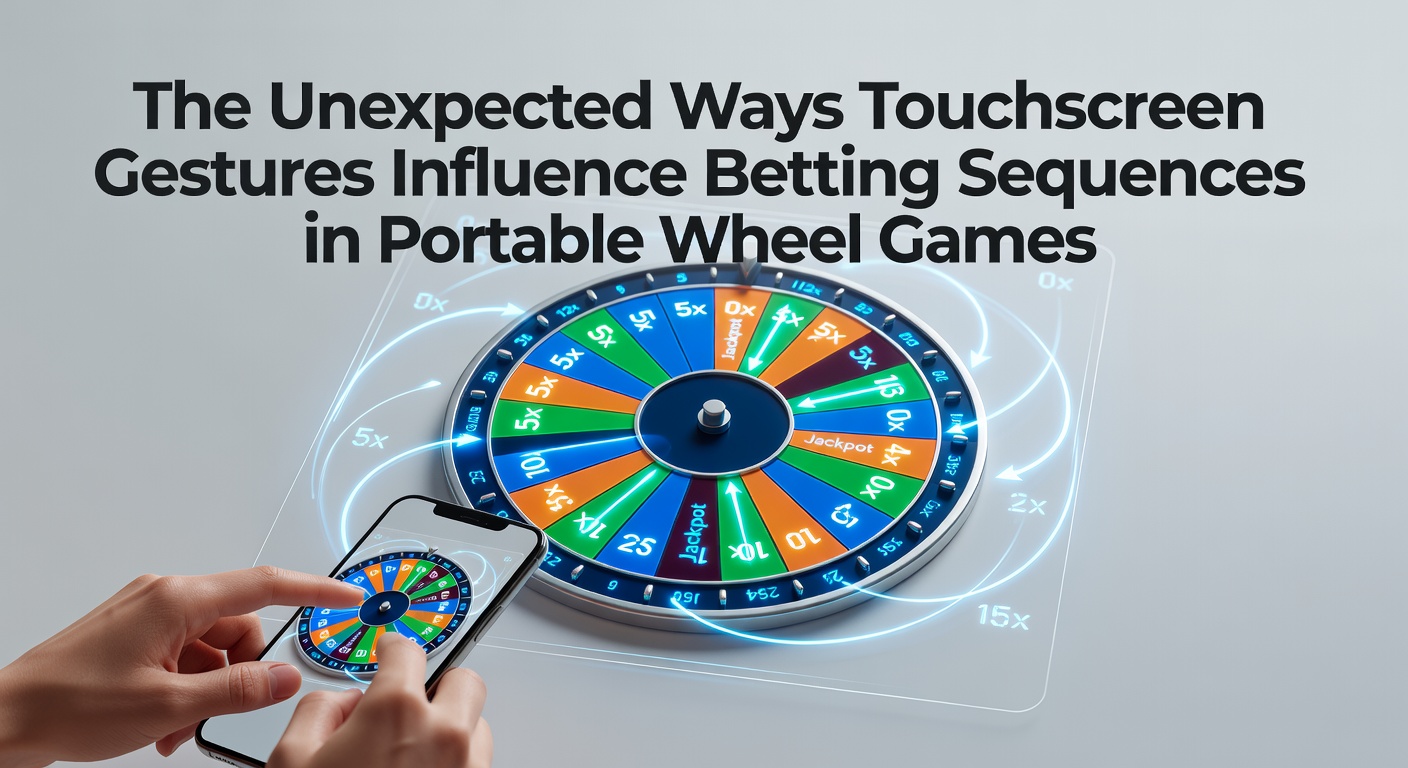 Portable wheel games have expanded rapidly on mobile devices, and observers note that touchscreen gestures now shape how players build and modify betting sequences in ways that extend beyond simple taps. In these games, which include roulette variants and similar wheel-based formats, players execute spins and place wagers through combinations of swipes, drags, pinches, and multi-finger touches. Data collected by gaming platforms in early 2026 shows that gesture patterns frequently alter bet timing, size adjustments, and sequence repetition without players intending those specific changes.
Core Gestures and Their Direct Effects on Bet Placement
Researchers tracking mobile roulette sessions have documented how a single swipe across the betting layout can shift chip values or relocate wagers to adjacent positions on the wheel. The action registers as both a placement command and a value modifier when the touch pressure or speed exceeds the app's default threshold, which many platforms set between 0.4 and 0.7 seconds of sustained contact. Players who favor quick diagonal swipes often trigger consecutive bets on neighboring numbers because the gesture path crosses multiple layout zones before lifting off the screen.
Pinch-to-zoom functions, originally added for visual clarity, produce another layer of influence. When users expand the wheel view, the system sometimes interprets the spreading motion as an increase in bet denomination, especially on devices running updated operating systems released after March 2026. This creates longer betting sequences where the total stake rises across several spins even though the player intended only to examine the wheel more closely.
Sequence Patterns Observed in Recent Data
Industry reports compiled through May 2026 indicate that drag-and-drop chip movements account for repeated short sequences on red or black positions at rates higher than expected from random placement. Analysts link this pattern to the natural arc most thumbs follow when moving across a phone screen held in portrait orientation. The resulting sequences tend to cluster around even-money bets because the gesture momentum carries chips into those zones more readily than into individual number selections.
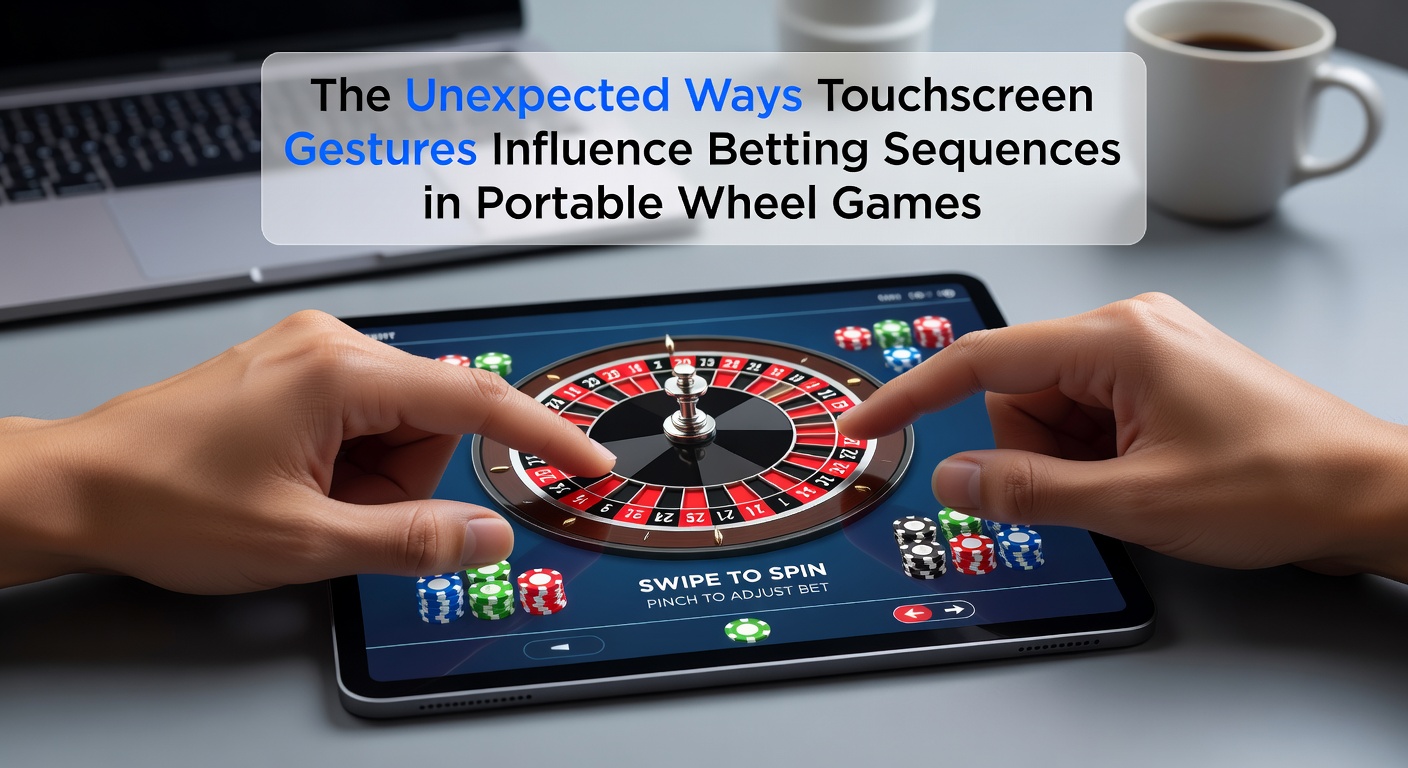
Multi-touch inputs add further complexity. Two-finger taps placed simultaneously on separate betting areas generate parallel sequences that continue independently on subsequent spins. Platform logs from several major operators reveal that these dual sequences appear more often during live dealer sessions than in simulated play, likely because players use one hand to manage the interface while watching the physical wheel feed.
Device and Software Variables That Amplify Gesture Impact
Screen size and refresh rate differences across devices create measurable variations in how gestures translate into betting actions. Larger tablets register slower swipe velocities as distinct commands, which reduces accidental bet stacking compared with smaller phones where the same motion registers as one continuous input. Software updates pushed out in April and May 2026 refined gesture sensitivity on both Android and iOS platforms, yet residual differences remain between manufacturers because each applies its own touch calibration layers.
According to figures released by iGaming Ontario, mobile sessions using portrait mode produced 18 percent more sequential even-money bets than landscape sessions during the first quarter of 2026. The report attributes part of this difference to thumb reach patterns that favor horizontal drags across the lower third of the screen where even-money options commonly sit.
Player Behavior Adjustments and Platform Responses
Those who study mobile gambling interfaces have observed that experienced players sometimes develop compensatory habits, such as lifting the thumb higher between swipes or using the non-dominant hand for value adjustments. These adjustments reduce but do not eliminate the influence of default gesture mapping. Several operators responded in spring 2026 by introducing optional gesture training modules that let users preview how specific motions will register before real-money play begins.
Research conducted at the University of Nevada, Las Vegas, examined session data from over 12,000 mobile roulette accounts and found correlations between swipe direction consistency and the length of repeated betting sequences. Players whose swipes followed predictable arcs across multiple spins showed longer runs of the same bet type, while those with more variable swipe angles produced shorter, more fragmented sequences interrupted by accidental placements elsewhere on the layout.
Regulatory and Technical Developments Through Mid-2026
Regulatory bodies in multiple jurisdictions have begun requesting detailed logs of gesture-triggered events as part of standard compliance reviews. The Nevada Gaming Control Board updated its mobile gaming reporting requirements in May 2026 to include separate tallies for bets placed through direct taps versus those initiated or altered by swipes and pinches. Similar adjustments appeared in guidelines issued by the Australian Communications and Media Authority around the same period.
Platform developers continue to refine recognition algorithms that distinguish intentional betting gestures from incidental screen contact. Early results from these refinements show reduced occurrence of unintended sequence extensions, although complete separation remains technically challenging because human touch input contains natural variability in pressure, angle, and duration.
Conclusion
Touchscreen gestures have become integral to how betting sequences form and evolve in portable wheel games. The interactions between swipe paths, pinch motions, device calibration, and software thresholds create patterns that extend beyond the player's conscious choices. Data gathered through May 2026 demonstrates measurable effects on bet frequency, denomination changes, and sequence repetition across different device types and player habits. Continued refinement of recognition systems and clearer user controls offer pathways for reducing unintended influences while preserving the convenience that makes these games accessible on mobile platforms.