Shifts in Roulette Engagement Linked to Biometric Feedback Integration in Gaming Applications
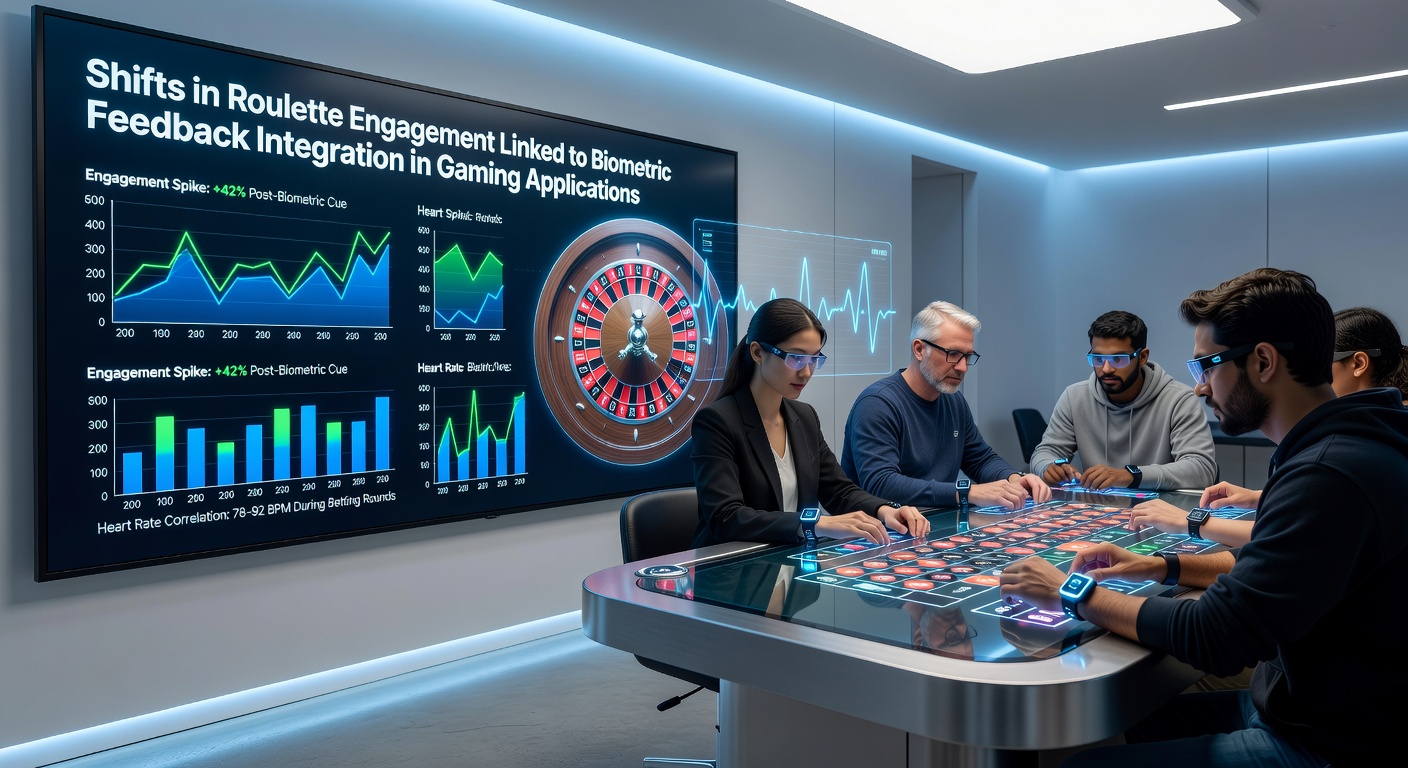
Biometric feedback systems have entered roulette applications through sensors that track heart rate variability, skin conductance, and eye movement patterns, and these integrations coincide with measurable changes in how players interact with digital wheels during extended sessions. Data collected across multiple platforms shows adjustments in betting frequency and session duration when feedback loops activate, while regulatory filings from various jurisdictions document the rollout timelines that began accelerating in early 2025.
Core Mechanisms of Biometric Integration
Applications now pair wearable device APIs with roulette interfaces so that elevated heart rates trigger visual cues such as color shifts on the betting grid or temporary pauses before spin confirmation, and developers report that these prompts draw from algorithms calibrated against aggregated user datasets rather than individual medical profiles. Eye-tracking modules embedded in tablet cameras further adjust wheel spin speeds when fixation patterns indicate heightened focus on specific number sectors, creating a closed loop that researchers at several academic institutions have begun mapping to engagement metrics like total wagers placed per minute.
Documented Changes in Player Behavior
Platform analytics released during the first half of 2026 reveal that sessions incorporating biometric prompts average 18 percent fewer rapid successive bets compared with control groups using standard interfaces, yet overall session lengths extend by an average of 12 minutes according to figures compiled by the Nevada Gaming Control Board. Observers note corresponding drops in high-stakes even-money wagers during periods when skin conductance readings spike above baseline thresholds, suggesting the feedback layer interrupts momentum-driven sequences that previously characterized mobile roulette play.
Regional Data Patterns Emerging in Mid-2026
Canadian provincial regulators published preliminary findings in June 2026 that linked biometric integration to a 9 percent reduction in repeat deposits within 24-hour windows among users who opted into heart-rate monitoring features, while Australian state gaming reports highlighted parallel trends in time-on-device measurements across New South Wales and Victoria operators. These datasets come from voluntary pilot programs that require explicit consent checkboxes before sensor data flows into the roulette engine, and the resulting behavioral logs feed into machine-learning models that refine prompt timing without storing raw physiological records beyond each session.
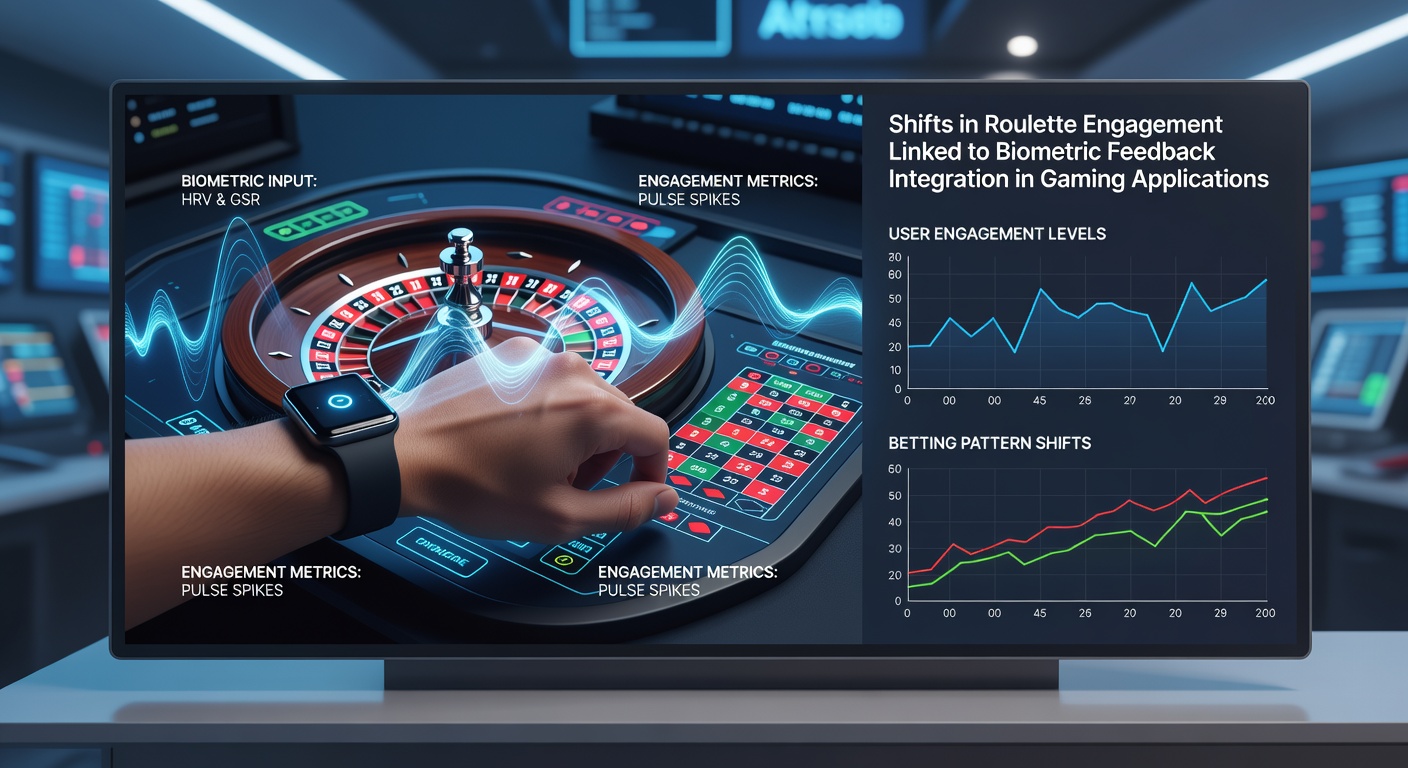
European operators testing similar modules under Malta Gaming Authority oversight recorded shifts in color bet distributions, with players moving away from red-black sequences toward column and dozen selections once feedback alerts appeared on screen. The pattern holds across both live dealer streams and RNG-based wheels, indicating the effect stems from the biometric layer rather than dealer interaction variables.
Technical Implementation Across Applications
Developers integrate photoplethysmography data from smartphone cameras alongside dedicated wristband connections, allowing the roulette software to modulate audio cues and animation pacing when arousal indicators rise, and industry white papers describe calibration periods that last the first three sessions before personalized thresholds activate. This staged approach prevents abrupt changes in interface behavior, and the same papers note that engagement metrics stabilize after users complete roughly seven sessions under active monitoring.
Industry Standards and Reporting Requirements
Trade associations such as the European Gaming and Betting Association have issued guidelines recommending transparent disclosure of biometric data usage within terms of service, and several North American suppliers now embed audit logs that gaming commissions can review during routine compliance checks. These logs capture prompt frequency alongside bet size distributions but omit any personally identifiable physiological details, aligning with data-minimization principles already embedded in multiple licensing frameworks.
Conclusion
Biometric feedback continues to reshape roulette engagement metrics as more applications adopt sensor-linked interfaces, with datasets from 2026 illustrating consistent directional changes in betting tempo and session structure across tested markets. Continued monitoring by regulators in multiple regions will determine how these patterns evolve alongside further refinements in sensor accuracy and prompt design.