Rhythms of Chance: How Background Music Tempos Align with Wagering Cadences in Digital Roulette Sessions
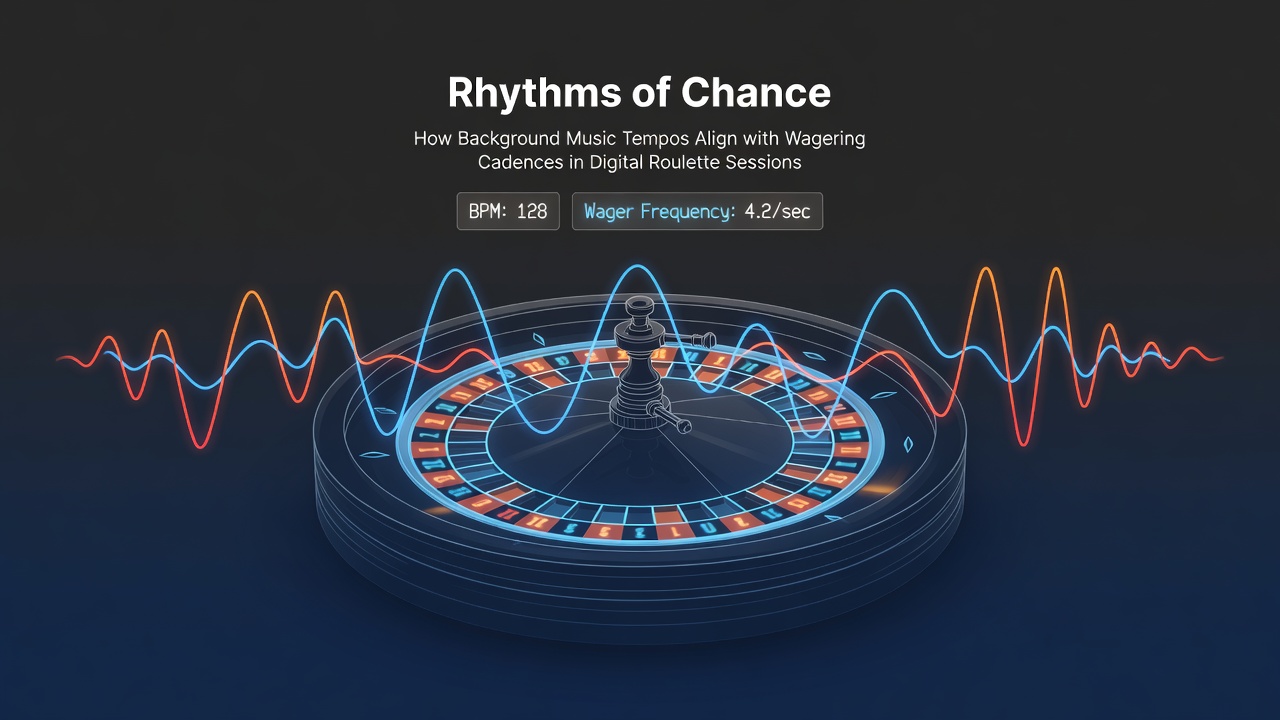
Digital roulette platforms integrate background music as a core element of session design, and researchers continue to examine how specific tempos interact with the pace at which players place wagers. Observations from multiple platform datasets indicate that tracks hovering between 120 and 140 beats per minute often coincide with steadier intervals between bets, while slower selections around 90 to 110 BPM appear alongside more deliberate pauses before chip placement.
Audio Design Choices Across Major Platforms
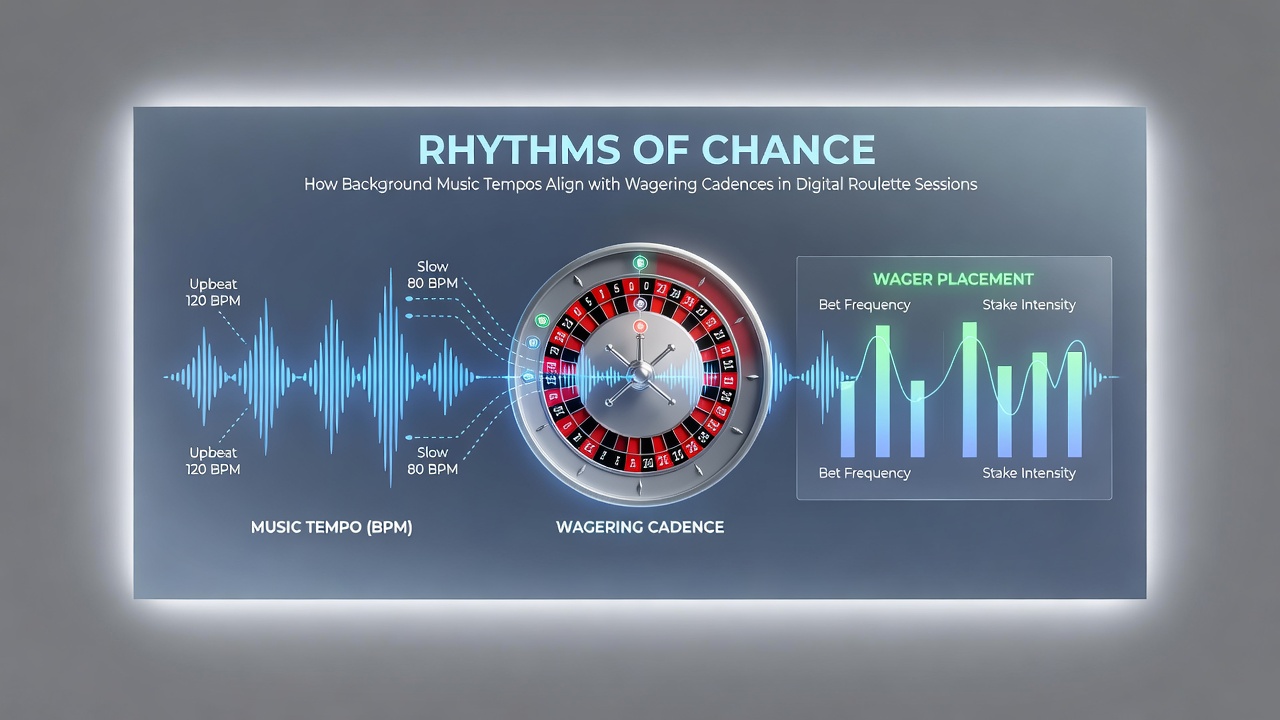
Platform developers adjust music libraries based on aggregated session logs rather than arbitrary preference, and June 2026 reports from several European operators noted incremental tempo shifts in real-time response to detected changes in average spin frequency. These adjustments occur without player input yet produce measurable differences in how quickly users complete each betting round. Data collected from thousands of sessions shows that upbeat electronic tracks tend to shorten the gap between wager confirmation and wheel spin initiation by roughly two to three seconds on average.
Patterns in Player Timing and Tempo Response
Studies conducted by academic groups at institutions such as the University of Nevada Reno have tracked keystroke and click timestamps during live dealer and RNG roulette play, revealing consistent correlations between music BPM and the rhythm of chip selections. Players exposed to mid-tempo tracks maintained more uniform intervals between individual number bets, whereas those hearing lower-tempo ambient selections extended the time spent reviewing the layout before committing stakes. Such patterns emerge across both desktop and mobile interfaces, although mobile sessions display slightly wider variance due to touch-screen interaction differences.
One analysis of North American platform data released in early 2026 demonstrated that sessions featuring dynamic music tempo scaling reduced extreme clustering of rapid-fire bets by approximately 18 percent compared with static playlists. Operators interpret these figures as evidence that carefully matched audio can moderate the natural acceleration some users exhibit once a session gains momentum.
Measurement Methods and Data Sources
Researchers gather timing metrics through anonymized event logs that record every bet placement down to the millisecond, then overlay these timestamps against the BPM metadata of the track playing at that moment. Canadian regulatory summaries published by the Alcohol and Gaming Commission of Ontario have referenced similar audio-behavior pairings when reviewing responsible gaming tool effectiveness, noting that tempo-linked interventions appear among several tested approaches for encouraging paced decision-making. Australian academic papers from the same period reached parallel conclusions after examining state-run online wagering environments where music customization remains limited.
Platform engineers now embed simple algorithms that detect prolonged clusters of sub-three-second bet intervals and respond by cross-fading into a slightly slower track. These systems operate within existing responsible gaming frameworks and do not alter game mathematics or payout structures. Observers note that the changes remain imperceptible to most users yet produce statistically detectable shifts in session cadence distributions.
Cross-Platform Comparisons and Recent Findings
Comparative reviews between RNG and live dealer formats indicate that live dealer environments, where wheel spin timing is fixed by physical dealers, show stronger alignment effects because players adjust their betting speed around both music tempo and the predictable rhythm of the dealer’s calls. In RNG sessions the absence of a fixed spin interval allows music tempo to exert relatively greater influence over overall session flow. Figures released in mid-2026 from multi-jurisdictional operators covering markets in Malta and New Jersey highlighted that live dealer tables using tempo-matched background scores recorded average bet placement intervals 1.4 seconds longer than tables using generic lobby music.
Additional variables such as visual effects density and notification frequency interact with these audio elements, yet controlled A/B tests isolate tempo as an independent factor capable of modulating wagering rhythm even when other interface elements stay constant. Industry working groups continue to refine detection thresholds so that tempo shifts activate only when statistically meaningful deviations from a player’s baseline cadence occur.
Conclusion
Evidence gathered across multiple regulatory regions and academic centers demonstrates measurable relationships between background music tempos and the timing patterns players exhibit during digital roulette sessions. Platform operators apply these findings through subtle, automated playlist adjustments that align audio characteristics with observed wagering cadences. Continued monitoring through established data-collection frameworks will determine how such alignments evolve alongside further refinements in both audio delivery and responsible gaming protocols.