How RNG Certification Timelines Shape Outcome Patterns in Global Mobile Roulette Networks
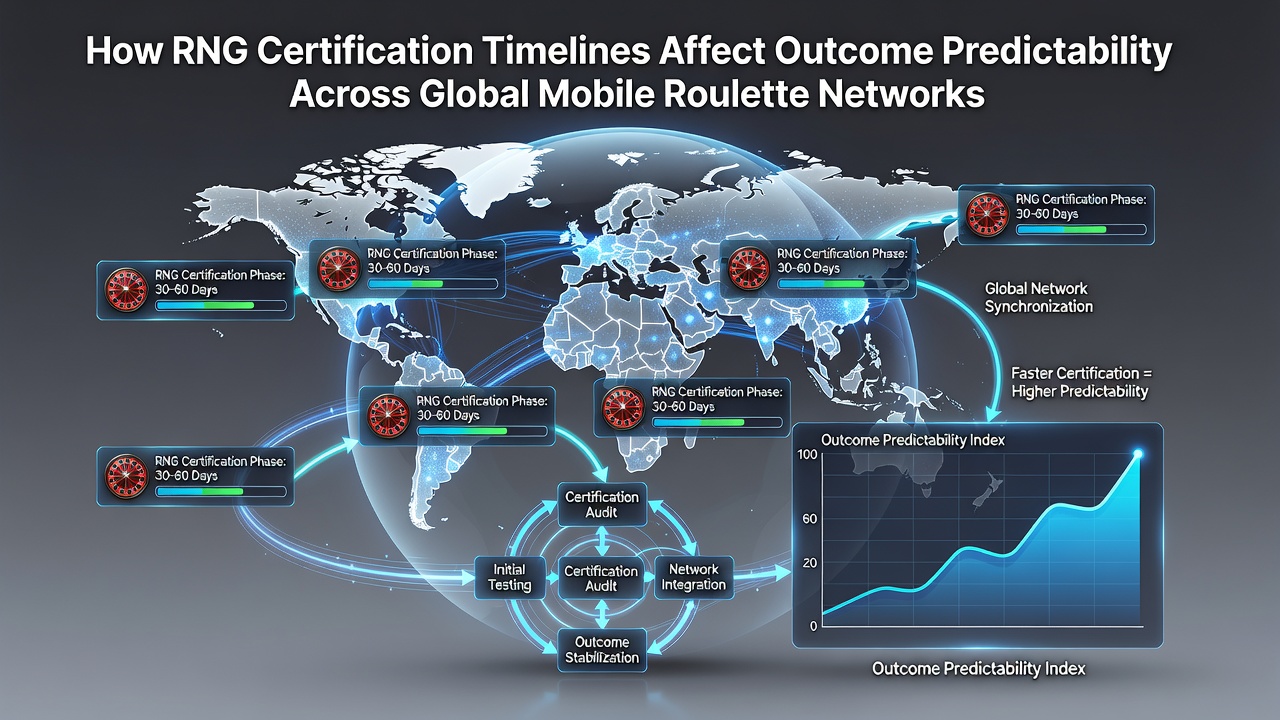
Random number generator certification serves as a foundational element in mobile roulette operations worldwide, and the time required to complete these evaluations differs markedly between regulatory regions because each jurisdiction applies its own sequence of laboratory audits, statistical sampling, and ongoing monitoring protocols. These varying durations create noticeable differences in how quickly new algorithms reach live networks, which subsequently affects the stability and uniformity of outcome distributions that players encounter during extended sessions.
Certification Duration Patterns Across Major Markets
European authorities typically require between four and twelve weeks for initial RNG approvals on mobile platforms, whereas certain North American and Asian regulators extend that window to sixteen weeks or more when additional entropy source validations enter the review cycle. Data compiled by testing laboratories indicate that jurisdictions with streamlined documentation processes release certified modules faster, allowing operators to deploy updated wheels without prolonged delays, while regions demanding repeated re-testing after minor code adjustments introduce extended gaps between submissions and approvals.
Those gaps matter because mobile roulette networks rely on synchronized RNG instances distributed across multiple data centers, and any lag in certification forces providers to retain older generator versions longer than planned. Observers note that this retention period correlates with measurable consistency in number sequences until fresh certifications arrive and new seeds activate across the network.
Effects on Predictability Metrics
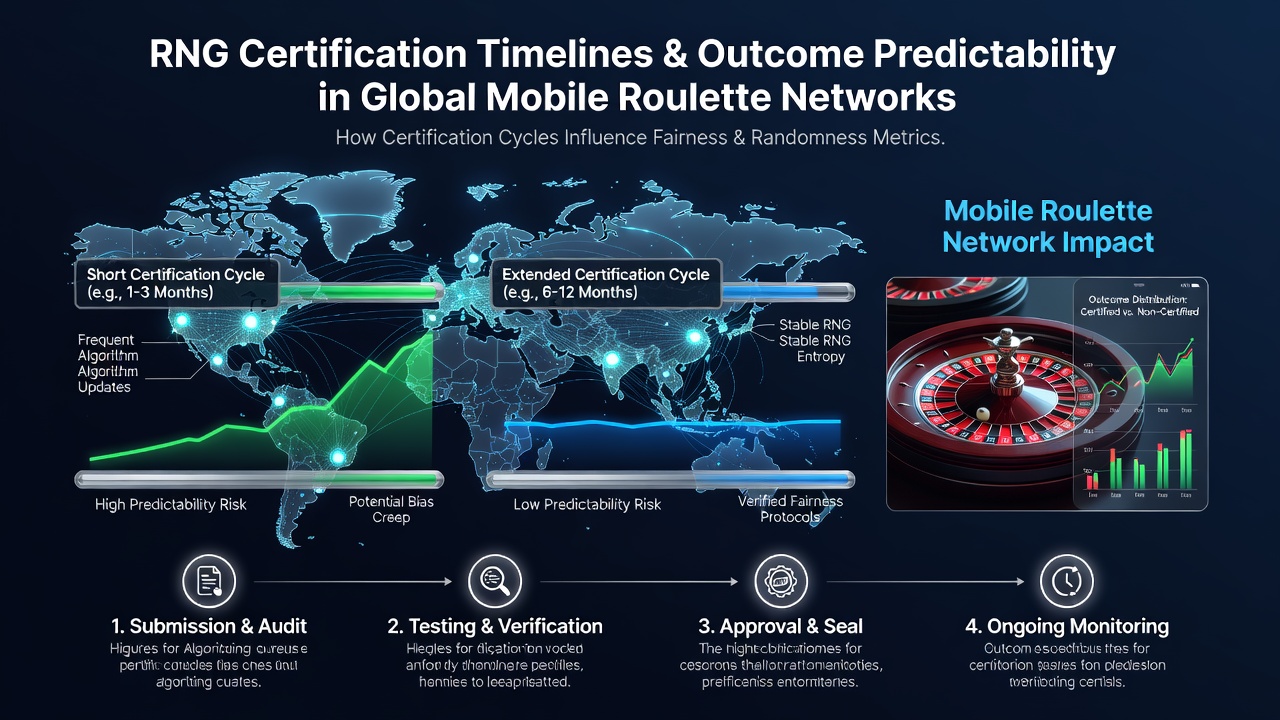
Shorter certification timelines enable more frequent algorithm refreshes, which in turn limits the accumulation of statistical patterns that sophisticated analysis tools might otherwise detect over thousands of spins. Longer timelines, by contrast, keep established generators in circulation for additional months, giving researchers extended windows to examine output distributions from live mobile sessions. Studies conducted on cross-border platforms show that predictability indicators rise modestly when certification cycles exceed ninety days, although the magnitude remains within acceptable variance thresholds established by most oversight bodies.
Regional Implementation Differences
Australian regulators emphasize continuous live monitoring after initial approval, which shortens upfront timelines yet requires operators to submit quarterly performance reports that can trigger mid-cycle re-certifications. Canadian provincial frameworks, including those managed through iGaming Ontario, apply a two-phase approach that separates core RNG testing from mobile-specific transmission security reviews, adding roughly three weeks to the overall schedule compared with single-phase European models. These structural distinctions produce different deployment rhythms for global operators who must satisfy multiple authorities simultaneously.
Network-Wide Synchronization Challenges
Global mobile roulette providers maintain separate certification tracks for each operating region they serve, and the resulting calendar creates staggered update schedules that prevent uniform RNG versions from running everywhere at once. When one jurisdiction approves a new generator while another still processes the same submission, operators must segment their user base and route traffic to certified instances only, which fragments the overall data pool and complicates efforts to track long-term outcome predictability across the entire network. Research from the European Gaming and Betting Association highlights how these staggered rollouts generate localized clusters of spin data that differ slightly in distribution characteristics until full synchronization occurs.
Operators address this fragmentation through seed rotation schedules that align with the slowest certification path in their portfolio, ensuring no region operates with an expired certificate while waiting for others to catch up. This conservative approach stabilizes outcome behavior but extends the effective lifespan of each certified generator beyond what individual regulators might require.
Developments Observed Through July 2026
By July 2026 several testing laboratories reported increased demand for parallel certification submissions, allowing operators to initiate reviews in multiple jurisdictions during the same week rather than sequencing them sequentially. Early figures reveal that this parallel model reduced average end-to-end timelines by approximately twenty percent for mobile roulette products, leading to more consistent RNG versions across networks serving overlapping player populations. Regulatory filings from that period also document a modest uptick in supplementary entropy audits for cloud-based generators, reflecting heightened scrutiny of virtualized environments without extending overall approval windows in most cases.
Conclusion
Certification timelines function as gatekeepers that determine how rapidly mobile roulette networks can refresh their random number infrastructure, and the resulting differences in deployment speed create measurable variations in outcome consistency across regions. Operators who navigate multiple regulatory calendars simultaneously develop synchronization strategies that balance compliance requirements with the need for uniform generator performance. Continued refinement of parallel review processes offers one pathway toward tighter alignment between jurisdictions, while ongoing laboratory monitoring maintains the statistical integrity that underpins player trust in these global systems.