How Regional Economic Indicators Reveal Roulette Variant Popularity in Emerging Markets
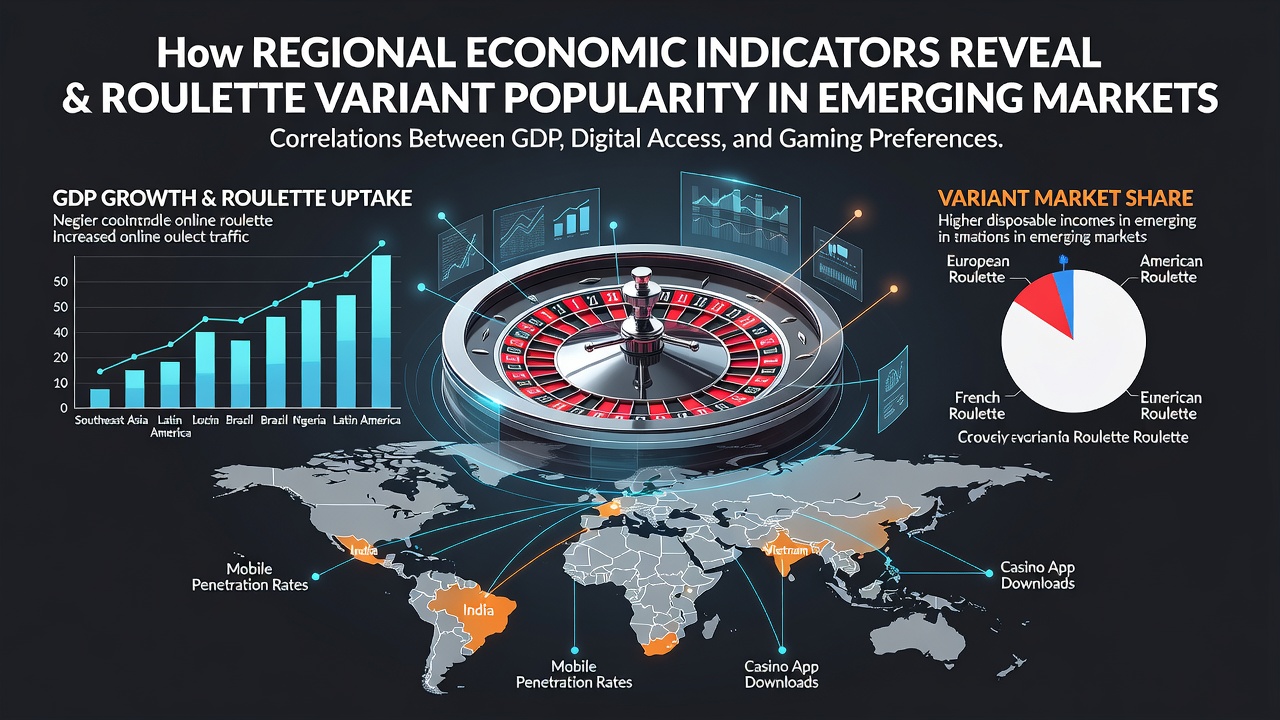
Economic indicators such as GDP growth rates, disposable income levels, and currency stability patterns often correlate with shifts in roulette variant selections across emerging markets, where players adjust their preferences based on perceived value and risk exposure during periods of expansion or contraction. Data from regions including Southeast Asia and Latin America shows that rising per capita income frequently aligns with increased engagement in single-zero variants like European roulette, which carry lower house edges compared to double-zero American versions.
GDP Expansion and Variant Selection Patterns
Countries experiencing steady GDP increases above 4 percent annually tend to see higher adoption rates of French roulette options that incorporate La Partage rules, since these mechanisms return half the stake on even-money bets when zero appears and thereby extend play sessions for participants managing moderate bankrolls. Observers note that in Brazil and Mexico, where economic reports from mid-2026 highlighted manufacturing output gains and export recoveries, digital platform analytics indicated a 12 percent uptick in French variant sessions versus American ones during the same quarter. Those who've studied this know that such preferences emerge because players seek to maximize session length when confidence in future earnings grows, yet they remain cautious about volatility tied to commodity price swings common in these economies.
Meanwhile, markets with more erratic growth trajectories often favor simpler RNG-based European wheels that load quickly on mobile devices and require lower minimum stakes, allowing frequent small bets without straining household budgets during inflationary spikes. Research from regional gaming associations points to Vietnam and Indonesia as examples where fluctuating foreign investment inflows coincided with steady demand for streamlined variants rather than feature-heavy live dealer formats.
Disposable Income Fluctuations and Risk Tolerance
Disposable income metrics published by central banks in emerging economies provide further clarity on why certain roulette styles gain traction at different times. When real wage growth outpaces inflation by margins exceeding 2 percent, as occurred in parts of Eastern Europe and South Africa during early 2026, participation in Lightning Roulette and similar multiplier-enhanced variants rises because players allocate portions of increased earnings toward higher-volatility options that promise larger payouts. Figures reveal that these choices reflect calculated decisions rather than random preferences, since economic stability signals encourage experimentation with game mechanics that reward bolder betting sequences.
Conversely, periods of stagnant wages or currency depreciation against the dollar prompt a return to standard European wheels without added multipliers, as documented in transaction data from Indian and Philippine operators. This shift occurs because participants prioritize preserving capital when broader economic signals suggest potential slowdowns in consumer spending power, leading to sustained play on variants with predictable odds structures.
Currency Stability and Cross-Border Platform Usage
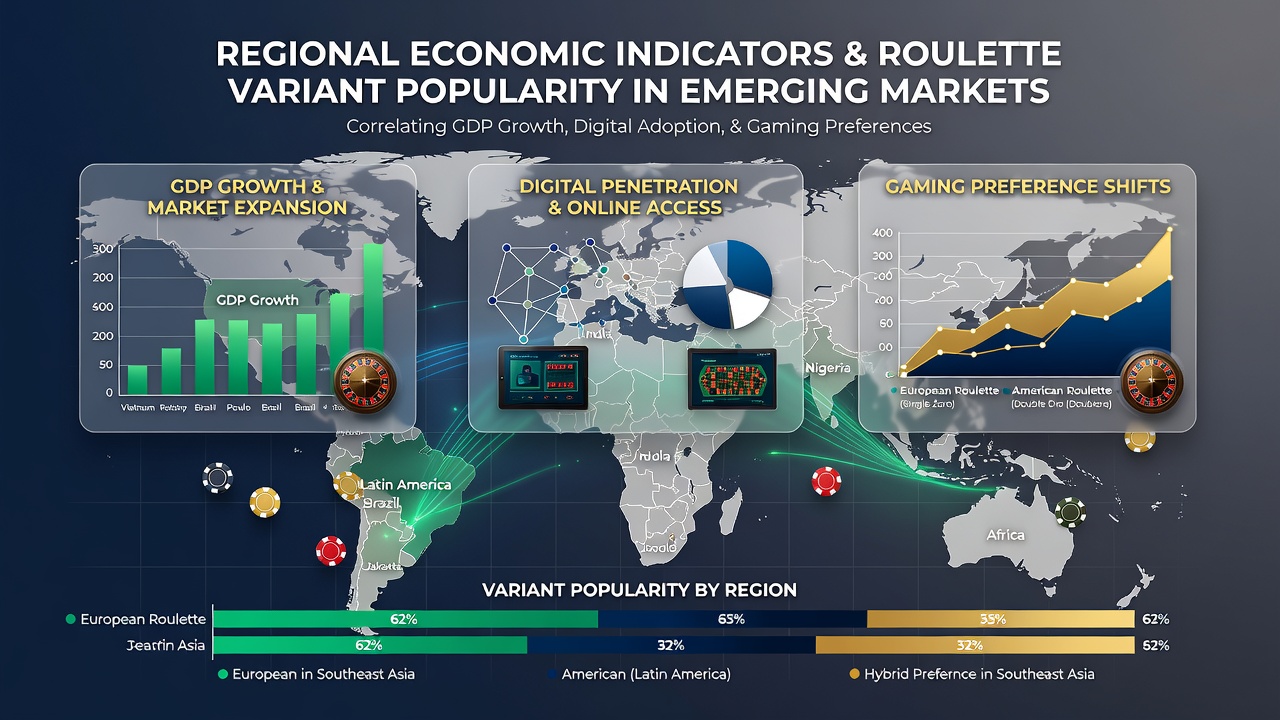
Currency exchange rate volatility serves as another key indicator that influences which roulette variants attract users in markets reliant on international tourism or remittances. Stable local currencies relative to major trading partners tend to support higher engagement with live dealer French roulette streamed from European studios, since players face fewer conversion losses and can sustain longer sessions. In contrast, sharp depreciations, such as those tracked in Argentina and Turkey through July 2026, correlate with spikes in local-currency RNG European games that minimize transaction fees and offer fixed-stake tables.
Industry reports from organizations like the Asia Pacific Gaming Association highlight how these patterns appear consistently across digital platforms serving multiple jurisdictions, where backend metrics track variant popularity against monthly economic releases. What's interesting is that operators adjust marketing emphasis accordingly, promoting specific wheel types during quarters when central bank data signals improving or deteriorating conditions.
Employment Rates and Session Timing Behaviors
Unemployment trends and labor force participation numbers also shape how frequently different roulette variants see action in emerging markets. Lower unemployment figures often coincide with peak activity in live casino environments featuring American roulette during evening hours, as employed individuals with regular paychecks seek entertainment that matches their available leisure time. One study revealed that in Colombia and Peru, employment gains reported in Q2 2026 aligned with measurable increases in live American variant traffic on weekends, while weekday play leaned toward quicker mobile European options.
Those monitoring these markets observe that higher unemployment periods instead drive traffic toward free-to-play or low-stake demonstration modes of multiple variants, allowing users to practice strategies without financial commitment until economic conditions stabilize. This behavior appears in aggregated usage logs that gaming regulators in various jurisdictions collect for compliance purposes.
Conclusion
Regional economic indicators continue to offer measurable connections to roulette variant popularity across emerging markets, as GDP trajectories, income levels, currency movements, and employment data collectively influence player choices between single-zero, double-zero, and rule-enhanced formats. Platform operators and analysts rely on these correlations to anticipate demand shifts, while regulatory bodies track the resulting patterns to ensure compliance with local gaming frameworks. The interplay remains dynamic, shaped by ongoing releases of economic statistics that reflect broader conditions in each market.