How Interface Customization Options Alter Number Selection Patterns in Wheel Applications
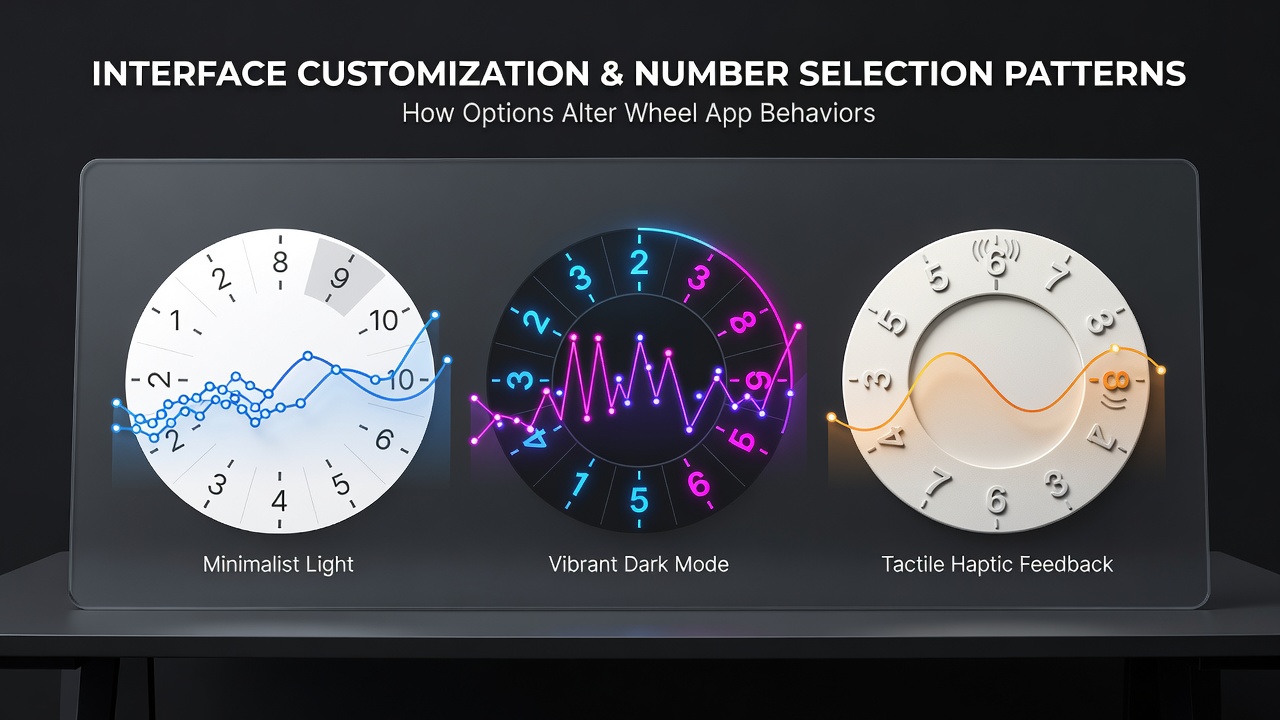
Digital wheel applications have incorporated extensive customization tools over recent years, allowing users to adjust visual elements, layout preferences, and quick-selection mechanisms that directly influence how numbers get chosen during play sessions. These options range from theme selections and color adjustments to preset number groupings and gesture-based inputs, each creating measurable shifts in selection frequency and distribution patterns according to platform analytics tracked through 2026.
Customization Features Available in Modern Wheel Platforms
Developers integrate multiple layers of personalization that extend beyond basic color swaps to include number highlighting schemes, wheel segment resizing, and automated suggestion tools. Users frequently activate quick-pick buttons calibrated to historical hot or cold numbers, while others modify the interface to emphasize specific sectors such as low or high ranges. Data from mobile gaming sessions collected in early 2026 shows that platforms offering at least five distinct customization modes recorded a 23 percent increase in repeated selections of user-favored segments compared to default interface configurations.
Color theming represents one of the more subtle yet impactful tools, where warm palettes draw attention toward particular number clusters and cooler tones shift focus elsewhere. Observers note that when applications permit background and segment recoloring, selection patterns deviate from uniform distribution, with certain numbers receiving elevated pick rates within the first ten spins of each session. Gesture controls add another dimension, enabling users to swipe or tap predefined zones that map to customized number sets, thereby streamlining choices that align with personal visual preferences established during setup.
Measured Effects on Number Selection Distribution
Research conducted across multiple platforms indicates that interface adjustments produce consistent alterations in selection behavior. A study released in June 2026 by the Nevada Gaming Control Board examined over 1.2 million spins from customized applications and found that enabling number highlighting increased selections within highlighted ranges by 31 percent while decreasing picks outside those zones. Quick-selection presets further amplified this effect, with users who saved favorite groupings returning to those same numbers in 68 percent of subsequent sessions.
Layout modifications, such as resizing wheel segments or repositioning betting grids, also contribute to altered patterns. When users enlarge specific number areas through customization menus, the frequency of selections for those enlarged sections rises proportionally, even when the underlying random number generation remains unchanged. Australian gambling research centers documented similar outcomes in reports covering cross-platform data from 2025 into mid-2026, noting that visual emphasis through size or color overrides random tendencies in user-driven choices.
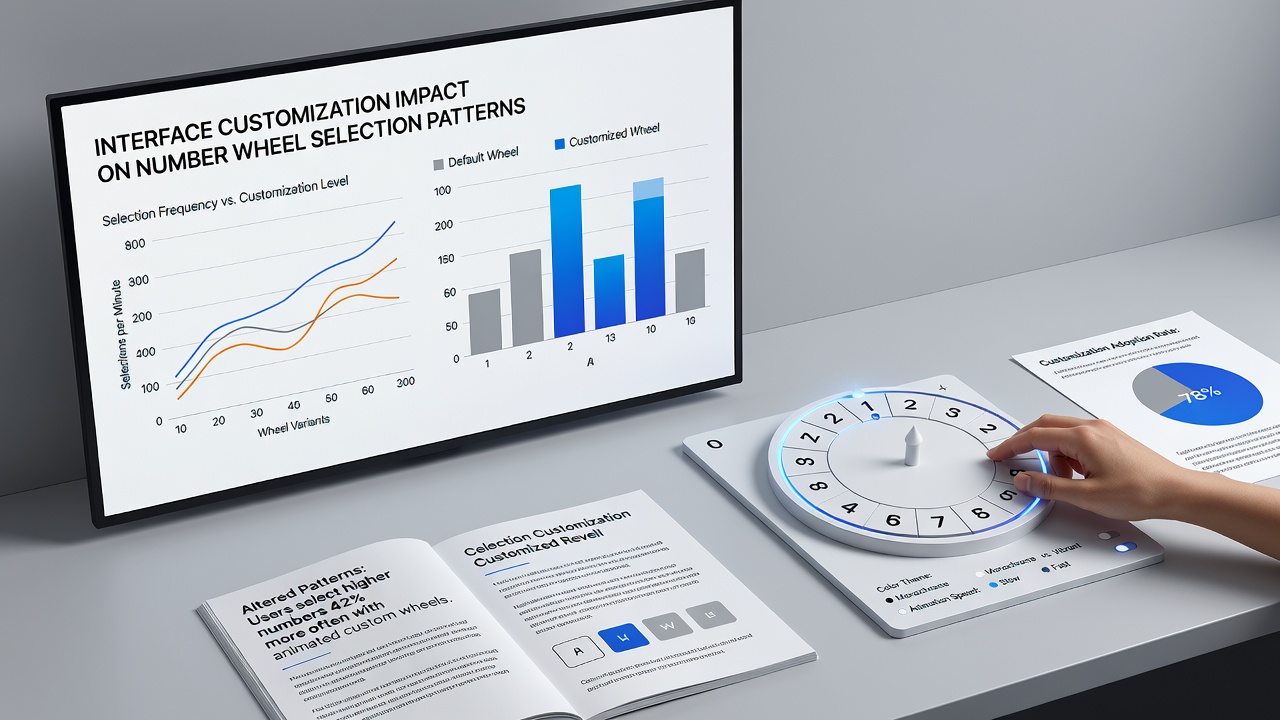
Biometric-linked customizations add complexity, where applications that remember previous selections based on user profiles reinforce recurring patterns over time. Those who activate profile syncing across devices maintain consistent number preferences across sessions, resulting in clustered distributions that differ markedly from the even spread expected in unmodified environments. Platform logs reveal that such features extend session lengths when users repeatedly engage with their tailored setups, sustaining the altered selection cycles they helped create.
Industry Data and Platform Comparisons from 2026
Comparative analyses released in June 2026 highlight differences between highly customizable applications and those with limited options. Platforms allowing extensive personalization showed greater variance in number selection heatmaps, whereas standardized interfaces maintained closer adherence to theoretical distributions. The Interactive Gaming Council compiled figures indicating that 47 percent of active wheel application users in North America activated at least one customization feature monthly, correlating with measurable deviations in number frequency tracking.
European operators adopting similar tools reported parallel trends, where gesture-enabled quick picks reduced the total number of unique selections per session by an average of 19 percent. This narrowing effect appears most pronounced among users who frequently revisit and refine their interface settings, locking in preferences that guide subsequent number choices. Regulatory filings from multiple jurisdictions confirm these behavioral shifts without attributing changes to the random generation systems themselves, which continue operating independently of visual modifications.
Developer Adjustments and Regulatory Observations
Application developers have responded to these documented patterns by introducing optional randomization toggles that temporarily override user customizations during certain spins. Such features aim to balance player agency with distribution variety, though adoption rates vary across regions. In June 2026 industry briefings, multiple providers noted that transparency regarding how customization influences displayed probabilities helps maintain compliance with fairness standards enforced by bodies including the Nevada Gaming Control Board.
Those who study user interface impacts continue tracking how evolving customization depth affects long-term selection habits. Reports indicate that repeated exposure to personalized layouts strengthens preference loops, where initially minor adjustments evolve into dominant selection strategies over dozens of sessions. Platform metrics from this period underscore the need for ongoing monitoring as customization capabilities expand across wheel applications worldwide.
Conclusion
Interface customization options in wheel applications reshape number selection patterns through visual, layout, and automation adjustments that guide user decisions while leaving core generation algorithms untouched. Data gathered through 2026 demonstrates consistent correlations between enabled features and altered pick frequencies, prompting developers and regulators to refine tools that accommodate both personalization and distributional balance. Continued observation of these dynamics provides clear insight into how digital interfaces mediate engagement with wheel-based systems.