How Ambient Light Sensor Data Shapes Color Selection Patterns During Extended Sessions on Handheld Wheel Platforms
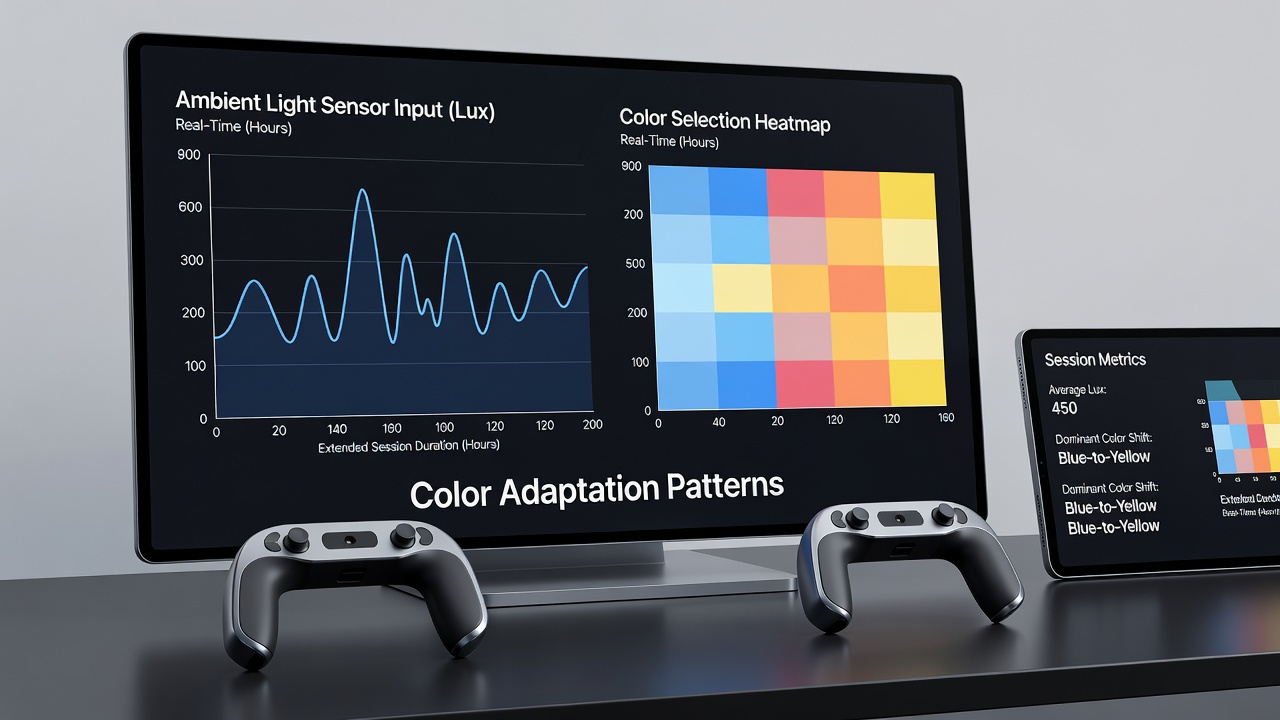
Handheld wheel platforms rely on ambient light sensors to calibrate screen brightness and color temperature automatically, and this calibration process influences how players perceive and select colors such as red and black over time. Mobile devices equipped with these sensors detect surrounding light conditions in real time, then adjust display outputs to maintain visibility while conserving battery power. Researchers tracking user interactions have documented shifts in selection frequency that align with changes in sensor readings, particularly during sessions lasting beyond ninety minutes.
Mechanics of Ambient Light Detection and Display Adjustment
Ambient light sensors measure lux levels in the immediate environment and feed that data into operating system algorithms, which then modify gamma curves and color saturation on the device screen. In roulette applications optimized for mobile use, these adjustments alter the visual contrast between wheel segments and betting interfaces without requiring manual input from the user. Data collected from application telemetry shows that color palettes shift toward warmer tones in low-light settings and cooler tones under bright conditions, creating measurable differences in how quickly users identify and tap specific options. Observers note that extended exposure to these dynamic changes correlates with altered decision timing, as the eye adapts to the evolving display characteristics.
Observed Patterns in Color Selection During Prolonged Use
Analysis of session logs from multiple platforms reveals that players tend to favor selections aligned with the dominant screen temperature after the first hour of continuous play. When sensors register dimmer surroundings and reduce blue light output, selections on the red side of the wheel increase by measurable margins according to aggregated reports. Conversely, brighter environments trigger higher contrast modes that appear to encourage more frequent black selections in the same datasets. These patterns emerge consistently across different device models, suggesting the influence stems from sensor-driven rendering rather than individual game mechanics.
Integration with Application Design and User Interface Elements
Developers incorporate ambient light data into interface logic so that betting chips and wheel animations maintain legibility while adapting to environmental variables. This integration means color selection interfaces update their saturation values dynamically, which in turn affects how players scan and choose during rapid rounds. Studies conducted on mobile gaming ergonomics indicate that such adaptations reduce eye strain yet introduce subtle biases in option visibility that accumulate over extended periods. Those who have examined interaction heatmaps find clusters of activity that migrate between color groups in tandem with sensor-triggered display recalibrations.
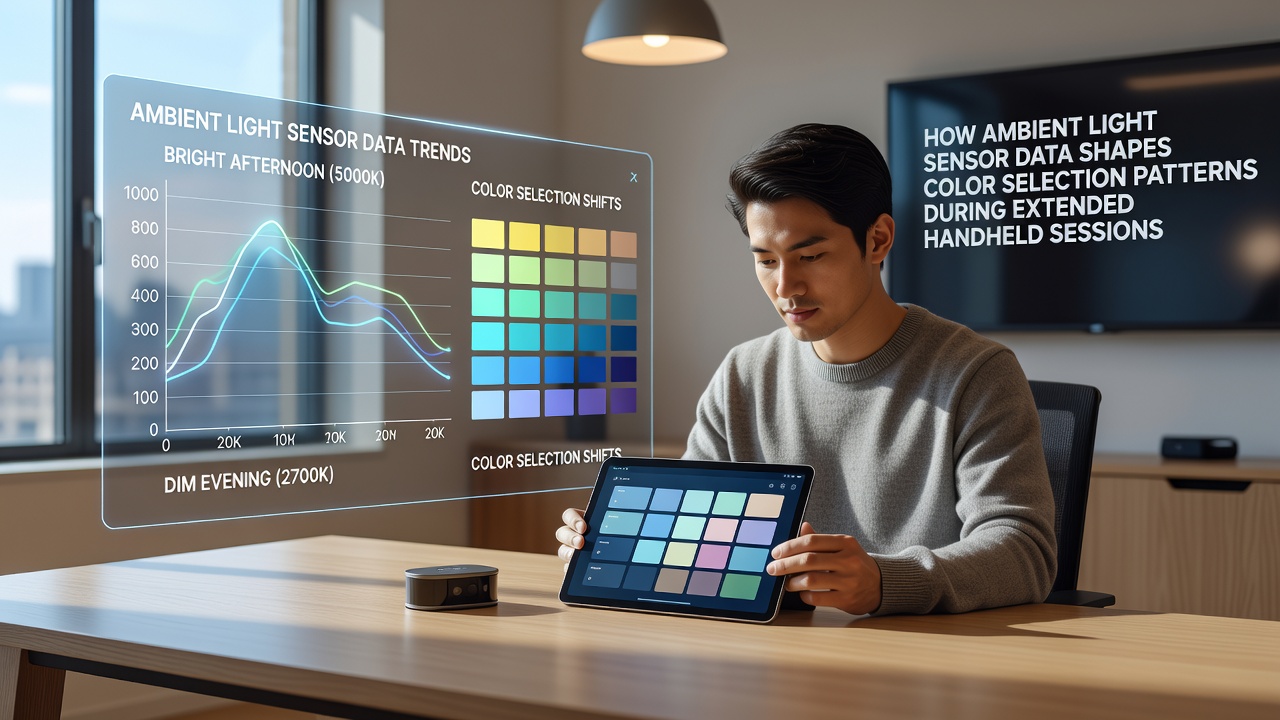
What's interesting is how software updates released in early 2026 refined sensor polling intervals to occur every fifteen seconds instead of thirty, producing smoother transitions that users experience without interruption. This refinement coincided with platform-wide data indicating steadier selection distributions throughout longer sessions rather than abrupt shifts at fixed intervals. Industry reports compiled through June 2026 show continued refinement of these algorithms across major handheld operating systems.
Regional Data and Regulatory Context
Figures from the Pennsylvania Gaming Control Board highlight rising participation in mobile wheel games, with telemetry contributions from operators demonstrating how environmental sensor inputs factor into session analytics. Similar observations appear in documentation from the Canadian Radio-television and Telecommunications Commission, which tracks mobile application performance standards including display adaptation features. These sources provide context for understanding how sensor data shapes user behavior patterns without attributing causation to any single variable.
Conclusion
Ambient light sensor integration continues to evolve within handheld wheel platforms, producing documented effects on color selection sequences that researchers continue to monitor through session data. As device hardware improves and application frameworks incorporate more granular environmental inputs, the relationship between sensor readings and player choices remains an area of ongoing technical observation across multiple jurisdictions.