Exploring Synchronization Between Circadian Rhythms and Peak Engagement Periods in Virtual Wheel Gaming Across Global Time Zones
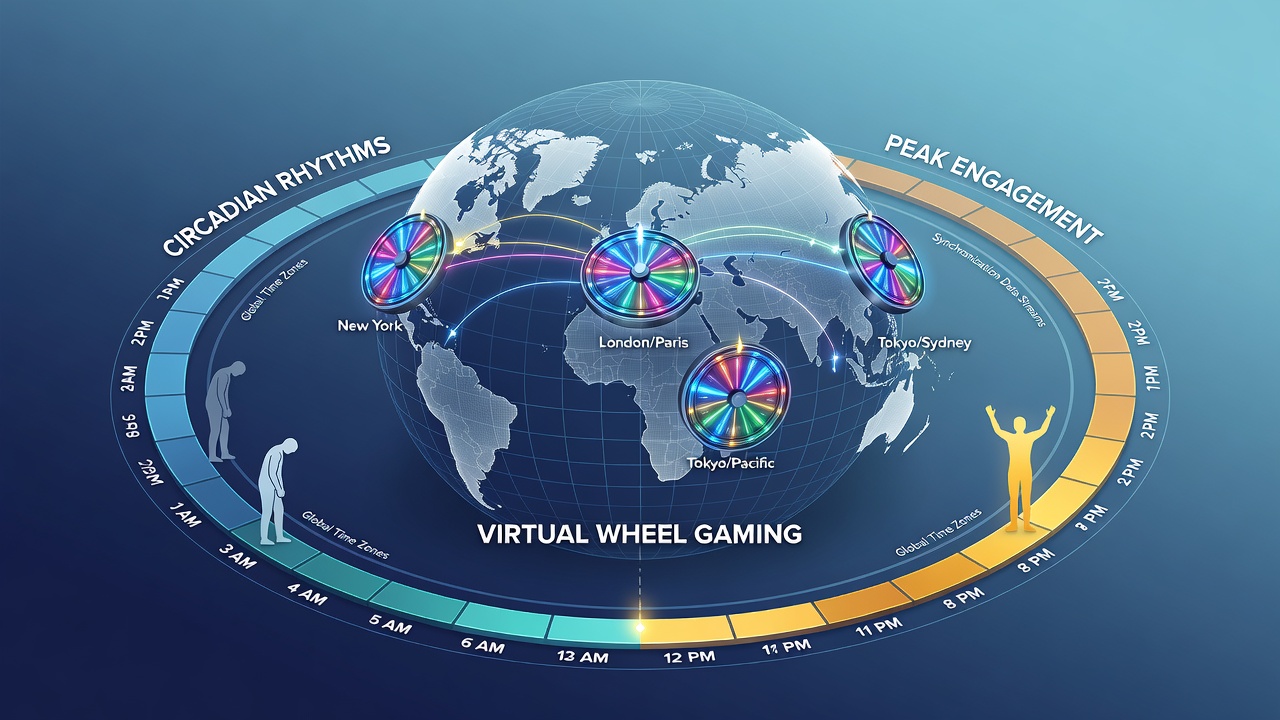
Circadian rhythms regulate sleep-wake cycles and alertness levels throughout the day, and these internal clocks influence when players engage most actively with virtual wheel games such as online roulette across different regions. Data from multiple gaming platforms indicates that engagement often aligns with periods of higher cognitive function, which shift according to local time zones and individual biological patterns.
Circadian Rhythms and Their Role in Daily Activity Patterns
Researchers at institutions including the National Institutes of Health have documented how circadian rhythms peak in alertness during late morning to early evening hours for most adults, while melatonin production rises in the evening to promote sleep. This biological framework creates windows where focus and decision-making tend to improve, and virtual wheel gaming sessions frequently coincide with those intervals because players report sustained attention during those phases.
Studies show that core body temperature rises gradually after waking and reaches its highest point in the afternoon, which correlates with faster reaction times and more consistent betting sequences in digital environments. Gaming operators have observed similar trends in server logs, where activity spikes follow these physiological markers rather than arbitrary schedules.
Time Zone Variations in Player Engagement
Players in North American time zones demonstrate peak virtual wheel activity between 7 PM and 11 PM local time, aligning with post-work relaxation periods when alertness remains elevated yet stress levels decline. In contrast, European users show increased participation from 8 PM to midnight, reflecting slight differences in work schedules and dinner times that shift the window of optimal engagement.
Asian markets, particularly those spanning multiple time zones from Japan to Australia, display engagement peaks between 9 PM and 1 AM, and data collected in June 2026 from several cross-border platforms confirms these patterns hold steady despite seasonal daylight variations. Observers note that the synchronization occurs because individuals naturally gravitate toward gaming when their circadian alertness supports prolonged focus without excessive fatigue.
Data Patterns Across Platforms and Regions
Platform analytics from 2025 through mid-2026 reveal that session lengths extend by an average of 18 minutes during circadian peak windows compared to off-peak hours. A report from the Sleep Research Society highlights connections between consistent sleep timing and sustained performance in tasks requiring quick judgments, which applies directly to wheel-based games where timing and pattern recognition matter.
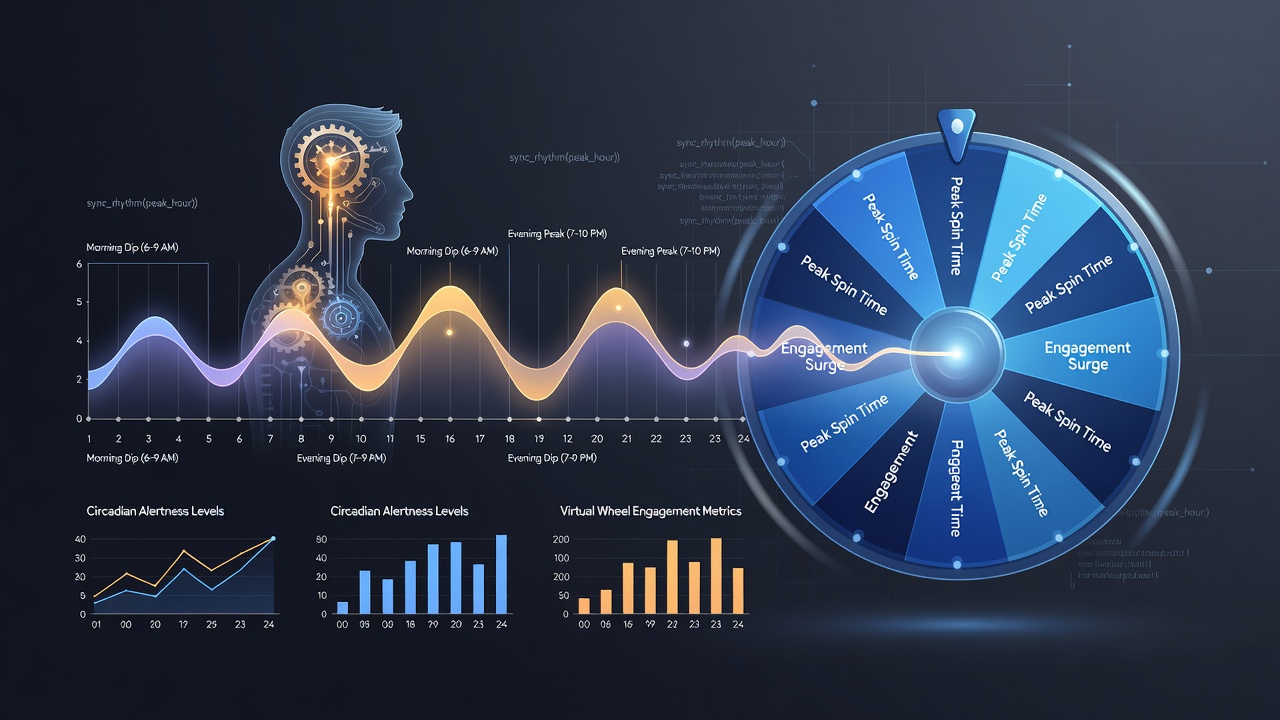
Canadian researchers tracking player behavior across provinces found that those maintaining regular sleep schedules logged in at predictable intervals that matched their individual circadian peaks, while shift workers showed displaced activity that followed their adjusted rhythms instead of standard clock time. Similar findings emerged from Australian studies, where remote mining communities exhibited engagement patterns offset by several hours from urban centers yet still synchronized to personal biological cycles.
Factors Influencing Global Synchronization
Light exposure from screens can delay melatonin onset and extend alertness into later hours, which partially explains why some players remain active past their typical circadian dip. Platform features such as adjustable lighting modes and session reminders appear in recent updates as operators respond to these physiological considerations.
Cross-time-zone tournaments scheduled in June 2026 adjusted start times to overlap with overlapping alertness windows for participants in the Americas and Asia-Pacific regions, resulting in higher concurrent player counts than events held during mismatched periods. Industry reports indicate these adjustments reduced drop-off rates during the middle of sessions.
Conclusion
Evidence from sleep science and gaming analytics demonstrates that circadian rhythms exert measurable influence on when users engage with virtual wheel games worldwide. Time zone differences create staggered peak periods that operators can map through aggregated data, while individual variations such as shift work require flexible approaches. Continued monitoring of these patterns through 2026 and beyond will clarify how biological timing continues to intersect with digital gaming behaviors across global audiences.