Community-Driven Tournaments Reshaping Competitive Play in Virtual Roulette Arenas
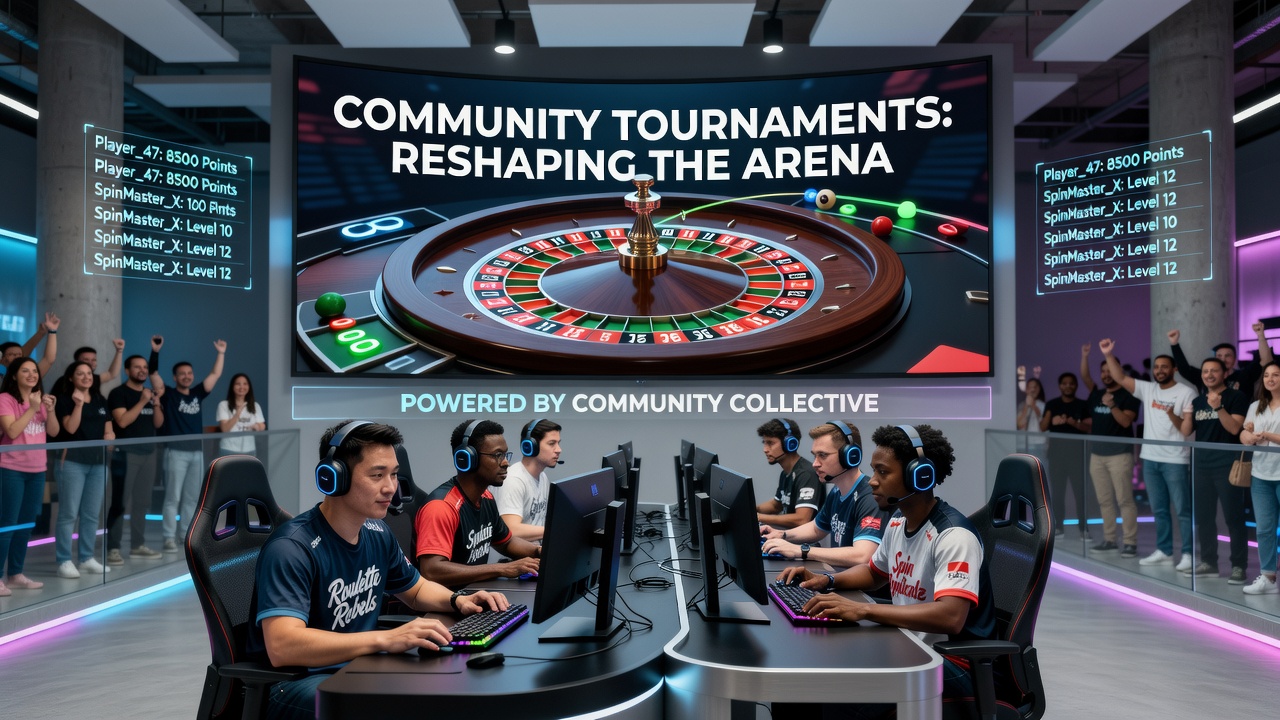 Community-driven tournaments have emerged as a distinct format within virtual roulette arenas where participants organize events through online forums, Discord servers, and platform-integrated tools rather than relying solely on operator-led competitions. These gatherings typically feature player-created rulesets, pooled prize structures funded by entry fees, and real-time leaderboards that track performance across multiple sessions on licensed digital wheels. Data from various operators shows increased session lengths during such events, with average playtime rising notably in regions where mobile access dominates. Observers note that these tournaments often incorporate elements like team-based challenges or progressive jackpots seeded by community contributions, which differ from standard house-run promotions. In practice, participants coordinate schedules across time zones, share strategy discussions in dedicated channels, and vote on wheel variants such as European or American configurations before events begin. This structure has led to documented shifts in how players approach betting sequences, with many favoring consistent stake management over aggressive progressions during multi-round formats.
Platform Mechanics and Participation Trends
Virtual roulette platforms have adapted their interfaces to support these community events by adding API hooks that allow external organizers to pull live spin data and display custom standings. Registration numbers for player-hosted tournaments climbed steadily through early 2026, with one major provider reporting over 12,000 active participants in June alone across its European and North American servers. Entry requirements usually involve verified accounts and minimum deposit thresholds that fund the prize pools directly, while operators retain standard house edges without additional fees on tournament play.
Those who have tracked participation patterns indicate that repeat entrants tend to cluster around specific time slots, often aligning with evening hours in major markets. This clustering creates natural peaks in server load, prompting platforms to allocate dedicated virtual tables that mirror physical casino layouts but run continuous spins without dealer breaks. Community rules sometimes introduce handicaps based on prior results, such as adjusted maximum bets for top performers, to maintain competitive balance across skill levels.
Strategic Adaptations and Data Patterns
Research indicates that tournament formats encourage different wagering behaviors compared to casual sessions, including tighter adherence to bankroll limits and more frequent use of even-money bets when leaderboards tighten in later rounds. Figures from regulatory filings reveal that average bet sizes in community events remain lower than in solo play, yet overall handle per participant increases because of extended engagement periods. Players often exchange anonymized session logs within forums to refine approaches, leading to observable convergence on certain patterns like delayed color switches after sequences of repeats.

One documented case involved a North American group that hosted weekly qualifiers feeding into monthly finals, resulting in measurable upticks in cross-border traffic on participating sites. Data shows these events correlate with higher retention rates among users who join through referral links shared in community spaces. Platforms track these metrics through unique tournament codes that separate event-driven volume from regular traffic, allowing clearer analysis of how organized play influences overall platform economics.
Regulatory Context and Geographic Variations
Regulatory bodies such as the Nevada Gaming Control Board have begun reviewing how community-organized events intersect with existing licensing frameworks, particularly when prize pools exceed certain thresholds. In contrast, Australian authorities have focused on consumer protection measures that require clear disclosure of entry fee distribution before events commence. These differing approaches have prompted some platforms to segment tournament access by jurisdiction, ensuring compliance while still enabling cross-regional participation where permitted.
Canadian provincial regulators, including those overseeing Ontario's iGaming market, have noted similar growth patterns and now require operators to report aggregated tournament statistics separately from standard gameplay data. This separation helps authorities monitor potential problem gambling indicators tied to competitive pressure. Observers point out that June 2026 saw several jurisdictions release updated guidelines clarifying the boundary between social coordination and commercial promotion in these player-led formats.
Future Trajectories in Virtual Arenas
Industry reports project continued expansion as more platforms integrate tools for seamless community integration, including automated prize distribution and anti-collusion filters that scan for coordinated betting patterns. Academic analyses from institutions tracking digital gaming behaviors suggest these tournaments function as informal testing grounds for new rule variations that operators later adopt in official offerings. Participation remains highest among users with established social connections within gaming networks, though open-entry events have broadened access for newer players seeking structured competition.
Conclusion
Community-driven tournaments continue to influence virtual roulette ecosystems by creating structured environments where players define their own competitive parameters within regulated digital spaces. The combination of player coordination, platform support, and regulatory oversight has produced measurable changes in engagement metrics and strategic tendencies. As these formats evolve, data collection efforts by both operators and oversight bodies will likely shape how such events integrate into broader online gaming frameworks across multiple regions.